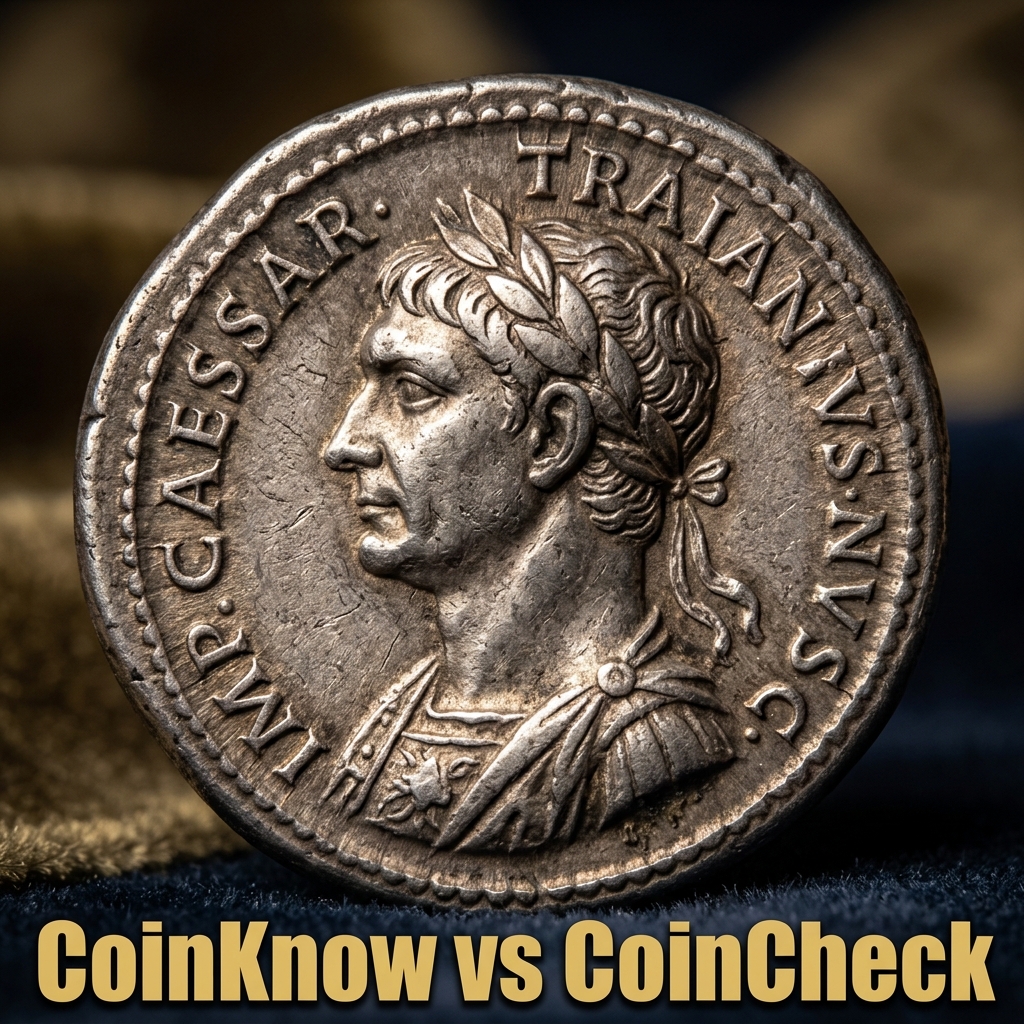
CoinKnow vs CoinCheck Which Free App Better Values Your Old Coin Collection
The rare 1943 Copper Wheat Penny is worth anywhere from $60,000 in worn condition to over $250,000 in mint state, making it vital to use the right valuation tool. Identifying a life-changing find in your pocket change requires precision, speed, and real-time market data that everyday collectors can trust.
Choosing the Best Free Coin Identifier App for Your Rare Finds
If you have stumbled upon a jar of old quarters or inherited a box of silver dollars, your first instinct is likely to search for a free coin identifier app to see if you have hit the jackpot. The two biggest names in this space are CoinKnow and CoinCheck. While both claim to identify coins using your phone’s camera, the accuracy of their valuations can vary wildly.
For the average American, the goal is simple: is this coin worth five cents or five hundred dollars? CoinKnow has gained significant popularity because it uses an advanced AI engine specifically tuned for US Mint errors and silver compositions. When you are staring at a 1964 Kennedy Half Dollar, you need an app that recognizes the 90% silver content immediately.
CoinCheck offers a broad database, but many users find that CoinKnow provides a more intuitive interface for beginners who don’t know the difference between a “mint mark” and a “die crack.” Accurate identification is the foundation of coin collecting, and having a reliable mobile partner can prevent you from accidentally spending a valuable rarity at the grocery store.
Evaluating Database Accuracy and Real Time Market Values
The value of a coin is never set in stone; it fluctuates based on auction results from Heritage Auctions and eBay sales. This is where the CoinKnow vs CoinCheck debate gets interesting. CoinCheck often relies on static price guides that might be several months out of date. In contrast, CoinKnow prioritizes recent realized sales, giving you a “real-world” estimate of what a dealer might actually pay you.
When checking a common 1921 Morgan Silver Dollar, both apps will identify the coin easily. However, if that coin has a small “S” or “D” mint mark on the reverse, the value could jump significantly. Collectors have noted that the image recognition software in CoinKnow is particularly sharp at detecting these tiny details that the naked eye might miss.
To help you understand the potential value of common coins you might find at home, refer to the price guide below. These estimates reflect average market prices for coins in “circulated” versus “uncirculated” condition.
| Common US Coin Type | Circulated Value | Uncirculated (Mint) Value |
|---|---|---|
| 1943 Steel Wheat Penny | $0.15 – $0.50 | $5.00 – $20.00+ |
| 1964 Kennedy Half Dollar (90% Silver) | $10.00 – $12.00 | $15.00 – $30.00 |
| 1932 Washington Quarter | $7.00 – $10.00 | $40.00 – $100.00 |
| Buffalo Nickel (No Date) | $0.25 – $0.50 | N/A |
Feature Comparison for Everyday Coin Collectors
One of the most frustrating things for a new hobbyist is “false positives”—when an app tells you a coin is worth $1,000 when it’s actually a common variety worth face value. CoinCheck has a tendency to show the highest possible auction record, which can be misleading. CoinKnow takes a more balanced approach, showing you the range of values from “G” (Good) to “MS” (Mint State).
Beyond just pricing, look for features like collection management. If you have hundreds of coins to go through, you don’t want to look up each one individually every time. CoinKnow allows users to snap a photo, save it to a digital portfolio, and track the total value of their collection as silver and gold prices change.
Another key difference is the “Error Detection” mode. Many valuable coins are worth money because of a mistake made during the striking process, such as double dies or off-center strikes. While CoinCheck covers the basics, the high-resolution scanning capabilities of CoinKnow make it much easier to spot these lucrative errors that the average person would typically overlook.
Final Verdict on the Best App for Identifying Coins
If you are a casual hunter looking for a user-friendly experience, CoinKnow is currently leading the pack in terms of scanning technology and price accuracy. It bridges the gap between a professional numismatist and someone who just found a funny-looking penny in their change return. CoinCheck remains a solid secondary option for double-checking, but for daily use, the speed of CoinKnow is hard to beat.
Remember that no app is 100% perfect. Use these tools as a starting point to filter out the common “junk” from the potential treasures. If an app tells you a coin is worth a significant amount of money, your next step should always be to consult with a reputable local coin dealer or consider professional grading through services like PCGS or NGC.
Q: Are these coin identifier apps actually free to use?
A: Yes, both apps offer free versions that allow you to scan and identify coins. Some advanced features, like detailed historical auction data or unlimited collection storage, may require a premium subscription.
Q: Can an app tell the difference between a real and fake silver coin?
A: While apps are great for identification and estimated value, they cannot weigh a coin or test its metal content. Always use a magnet and a scale to verify silver coins in addition to using an app.
Q: Why does my coin look the same as the expensive one in the app but have a lower value?
A: Condition is everything in coin collecting. A tiny scratch invisible to the untrained eye or a slight “cleaning” of the coin can reduce its value by 90%. Use the app’s grading guide to get a more realistic estimate.
