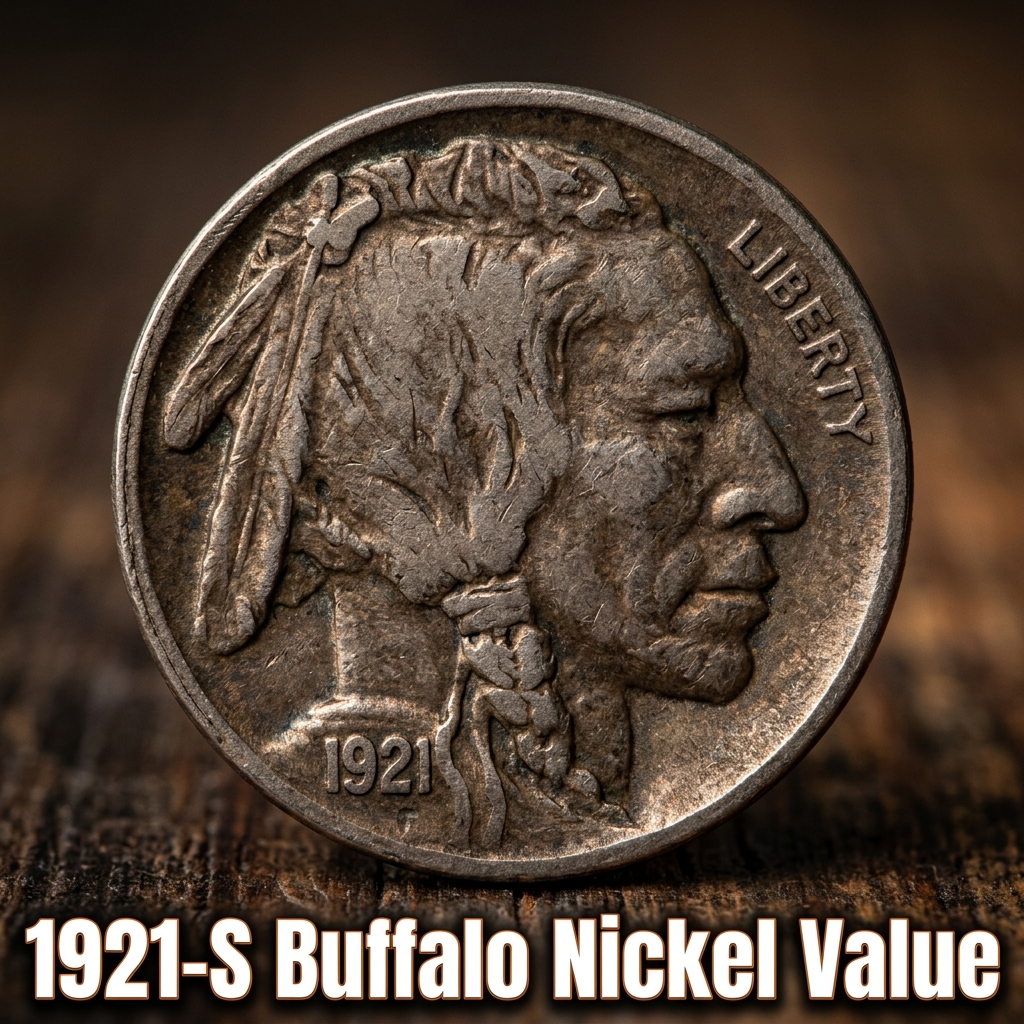
1921-S Buffalo Nickel Value What It’s Worth and How to Find Out
The 1921-S Buffalo Nickel is worth anywhere from $30 in heavily worn condition to well over $1,000 or more in higher mint state grades — making it one of the more exciting finds for anyone who stumbles across an old nickel in a drawer or coin jar. If you’ve got one of these coins and you’re wondering whether it’s worth holding onto, the short answer is: yes, it very likely is.
What Makes the 1921-S Buffalo Nickel Special?
The 1921-S Buffalo Nickel was struck at the San Francisco Mint, which is where the “S” mintmark comes from. You’ll find that small “S” stamped below the words “FIVE CENTS” on the reverse side of the coin. The 1921-S had a mintage of just over 1.5 million coins — which isn’t huge by any standard, making it considerably scarcer than many other Buffalo Nickel dates.
To put that in perspective, some Buffalo Nickels from the same era were struck in quantities of tens of millions. Lower mintage generally means fewer surviving examples, which drives collector demand — and prices — upward.
If you’ve recently found an old nickel and aren’t sure what you’re looking at, using a free coin identifier app is a great first step to confirm the date, mintmark, and series before you do anything else.
1921-S Buffalo Nickel Value by Grade
Coin value is almost entirely tied to condition. A coin that’s been sitting in someone’s pocket for decades will have worn detail — and worn coins are worth significantly less than ones that escaped heavy circulation. Here’s a general breakdown of what the 1921-S Buffalo Nickel is worth across different grades:
| Grade | Description | Estimated Value |
|---|---|---|
| Good (G-4) | Heavy wear, flat design, date visible | $30 – $45 |
| Very Good (VG-8) | Moderate wear, some detail remains | $50 – $80 |
| Fine (F-12) | Even wear, legends clear | $90 – $130 |
| Very Fine (VF-20) | Light to moderate wear on high points | $150 – $220 |
| Extremely Fine (EF-40) | Light wear, most detail sharp | $300 – $450 |
| Mint State (MS-63) | Uncirculated, minor contact marks | $800 – $1,500+ |
For the most up-to-date figures, you can check current 1921-S Buffalo Nickel prices in mint state grades to see how the market is moving in real time.
How to Check the Condition of Your 1921-S Buffalo Nickel
Grading coins takes practice, but there are a few things you can look at right away without being an expert. First, check the bison’s shoulder and hip — these are the first areas to show wear. If the fur detail is completely flat and smooth, you’re likely looking at a Good or Very Good coin.
Next, look at the Native American’s cheekbone and the feathers in the headdress on the obverse. Sharp, well-defined feathers suggest a better grade, while soft or mushed-looking detail indicates significant circulation wear.
Lighting matters too. Hold the coin at an angle under a single light source. Luster — that original mint shine — will appear as a cartwheel effect on uncirculated coins. If you see it, you may have something truly valuable on your hands.
CoinKnow is a handy tool many hobbyists use at this stage. The app helps you identify coins quickly and gives you an instant estimated value based on your coin’s visible condition, saving you time before you decide whether to get it professionally graded.
Should You Get It Graded or Sell It As-Is?
If your 1921-S Buffalo Nickel looks like it’s in Fine or better condition, professional grading through PCGS or NGC is worth considering. A certified coin almost always sells for more than a raw one, because buyers trust the grade. Grading fees typically run $20–$50 per coin, so it only makes financial sense if your coin’s value justifies the cost.
For coins in Good or Very Good condition, selling raw through online marketplaces or to a local coin dealer is usually the more practical choice. You won’t lose money on grading fees, and dealers are generally happy to make offers on 1921-S nickels given their solid collector demand.
If you want a complete picture of what your coin might fetch, the 1921 nickel value guide with detailed price data is a solid reference point before you make any decisions.
CoinKnow also offers a marketplace feature that lets you compare recent sale prices for Buffalo Nickels across different grades — incredibly useful when you’re trying to figure out your best selling strategy.
Where to Sell Your 1921-S Buffalo Nickel
You’ve got several options depending on how quickly you want to sell and how much effort you’re willing to put in. eBay is great for reaching a wide collector audience, but it takes time to list and ship. Local coin shows and coin shops offer faster transactions, though you may get slightly less than retail value. Heritage Auctions and Stack’s Bowers are ideal if you believe your coin is in high grade and could command serious money at auction.
Before committing to any option, do your homework. Check sold listings online, consult price guides, and consider getting a second opinion from another dealer. The 1921-S Buffalo Nickel has real value, and a little patience can pay off.
CoinKnow can help you track market trends and get a realistic expectation of what your coin is worth before you walk into any dealer’s shop.
FAQ
Q: How do I know if my nickel is a 1921-S and not just a 1921?
A: Flip the coin over and look just below the words “FIVE CENTS” on the reverse. If you see a small letter “S,” it was minted in San Francisco. No mintmark means it came from the Philadelphia Mint — also a collectible coin, but with slightly different values.
Q: Is a worn 1921-S Buffalo Nickel still worth keeping?
A: Absolutely. Even heavily worn examples in Good grade are worth $30 or more, which is far above face value. In any condition above Good, the coin becomes increasingly valuable to collectors, so it’s definitely worth holding onto or at least getting appraised.
Q: Can I clean my 1921-S Buffalo Nickel to make it look better?
A: Please don’t. Cleaning a coin — even with gentle methods — almost always damages the surface and destroys the original luster. Collectors and dealers can spot a cleaned coin immediately, and it significantly reduces the coin’s value. Leave it as-is and let its natural patina work in your favor.
