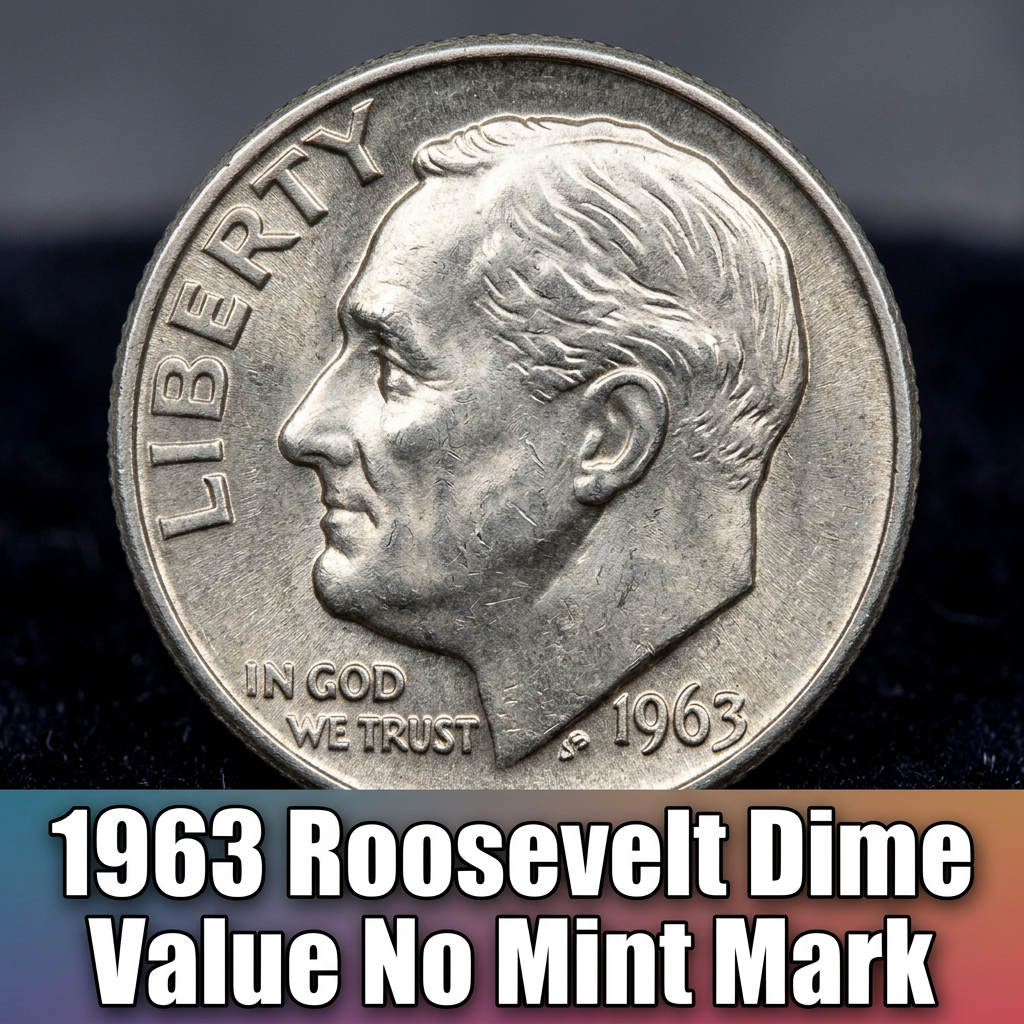
How Much Is a 1963 Roosevelt Dime With No Mint Mark Worth Today
The 1963 Roosevelt Dime is worth anywhere from $2 in worn condition to over $600 in high-grade mint state. If you have just discovered one of these silver coins in your pocket change or an old jar, you are likely holding a piece of American history that is worth significantly more than its ten-cent face value.
The Historical Value and Silver Content of the 1963 Dime
In 1963, the United States Mint was still producing dimes with a high silver content. Specifically, these coins are made of 90% silver and 10% copper. Because of this metal composition, the value of the coin is tied directly to the current market price of silver. Even a heavily damaged or worn 1963 dime will always be worth its “melt value,” which is usually several times the face value of the coin. If you are unsure about the authenticity of your find, using a free coin identifier app can help you confirm the date and variety instantly.
The 1963 Roosevelt dime is a favorite among entry-level collectors. It represents the penultimate year of 90% silver coinage before the U.S. transitioned to copper-nickel clad compositions in 1965. Measuring your coin’s quality is essential. Most 1963 dimes found in circulation are considered “Average Circulated” and trade based on their silver weight. However, if you find one that looks like it just came from the bank—shiny, with no scratches—you might be looking at a much higher 1963 Roosevelt dime market price. Using tools like CoinKnow allows you to stay updated on these fluctuating market rates.
What No Mint Mark Means for Your 1963 Roosevelt Dime
A common question for everyday Americans is why some coins have a small letter and others do not. For the 1963 Roosevelt dime, the absence of a mint mark means the coin was struck at the Philadelphia Mint. During this era, the Philadelphia facility did not use a “P” mark on dimes. Over 252 million of these “no mint mark” dimes were produced, making them very common.
While rarity isn’t the main driver for a standard 1963 Philadelphia dime, the condition is everything. Collectors search for “Full Bands” (FB) on the reverse of the coin. This refers to the horizontal lines on the torch being clearly visible and separated. A 1963 dime with Full Bands is much rarer and can command a significant premium. For those curious about the specifics of high-grade specimens, checking the 1963 dime values by grade can provide a clearer picture of what professional dealers are paying.
1963 Roosevelt Dime Value Comparison Table
To help you estimate what your coin might be worth, we have compiled a price guide based on the Sheldon grading scale (from worn G-4 to pristine MS-67). Remember that prices fluctuate based on the spot price of silver.
| Condition / Grade | Estimated Value (USD) |
|---|---|
| Circulated (G-4 to XF-40) | $2.00 – $2.50 (Silver Melt) |
| About Uncirculated (AU-50) | $3.00 – $5.00 |
| Mint State (MS-63) | $10.00 – $15.00 |
| Mint State (MS-65 Gem) | $25.00 – $40.00 |
| MS-67 (High Grade) | $150.00 – $600.00+ |
How to Identify Valuable 1963 Dime Errors
If you want to find a 1963 Philadelphia dime worth hundreds or even thousands, you should look for errors. While the majority of these coins are standard, a few left the mint with mistakes that collectors crave. The most common errors include “Double Dies,” where the design appears to be doubled on the lettering or Roosevelt’s profile.
Another rare find is the “clipped planchet,” where the coin looks like a bite was taken out of it during manufacturing. If you find a coin that looks unusual, don’t clean it! Cleaning a coin can actually rug its value by 50% or more. Instead, take a high-quality photo and use the CoinKnow app to compare your find with known error databases. Professional grading by services like PCGS or NGC is usually only worth the cost if the coin is in spectacular, uncirculated condition or features a verified “Full Torch” reverse.
Summary for the Casual Collector
The 1963 Roosevelt dime serves as a great entry point into the world of coin collecting. Most “no mint mark” examples you find in circulation today will be worth their weight in silver. As of late, this usually puts the value at roughly 20 times the face value of the dime. It is a tangible piece of wealth that you can hold in your hand.
Always keep an eye out for coins that have a mirror-like finish or extremely sharp details, as these “Gem” quality coins are the ones that fetch high prices at auctions. Whether you are building a collection for your kids or just looking to see if your spare change can pay for lunch, the 1963 dime remains a classic American treasure. Using CoinKnow is a great way to keep your inventory organized as you search through your silver finds.
Q: Is a 1963 dime real silver?
A: Yes, all 1963 Roosevelt dimes are made of 90% silver and 10% copper. You can often tell by looking at the edge of the coin; if you see a solid silver color without a copper-colored stripe, it is likely silver.
Q: Where is the mint mark on a 1963 dime?
A: On the 1963 Roosevelt dime, the mint mark is located on the reverse (back) of the coin, at the bottom left of the torch. If there is no letter there, it was minted in Philadelphia.
Q: Should I clean my 1963 Roosevelt dime to make it more valuable?
A: No! You should never clean old coins. Collectors prefer the original “patina” or toning. Cleaning creates microscopic scratches that can permanently ruin the coin’s numismatic value.
