How Much is a 1941-D Wheat Penny Worth Today
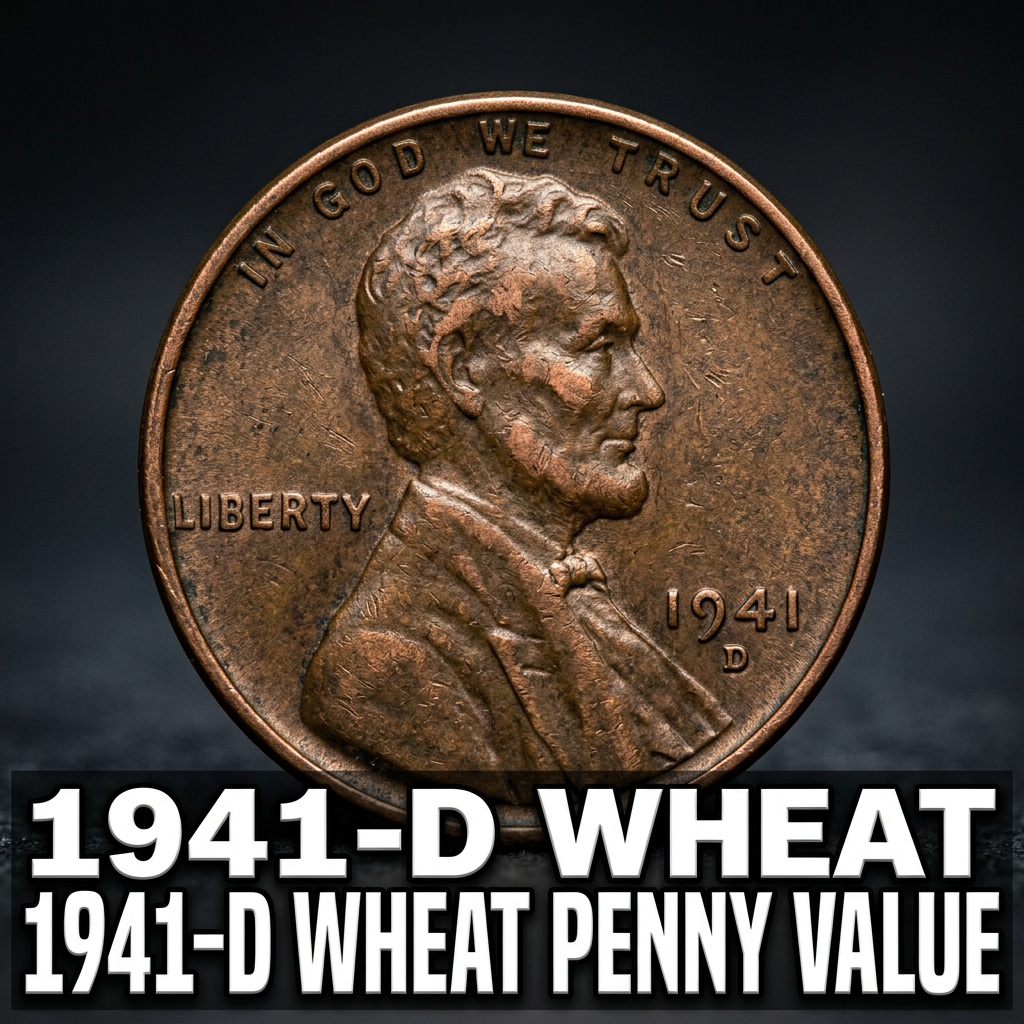
The 1941-D Wheat Penny is worth anywhere from $0.05 in worn condition to over $350 in high-grade uncirculated condition. If you have just found one of these copper treasures in an old jar or your pocket change, you are likely wondering if you have hit a small jackpot.
History and Significance of the 1941 Denver Mint Penny
The 1941-D Wheat Penny was struck during a pivotal year in American history. As the nation prepared for the impacts of World War II, the Denver Mint was busy churning out millions of these Lincoln cents. Because of the high mintage numbers, many of these coins survived, but finding one in pristine state is a different story altogether. Most people use a free coin identifier app to quickly determine if their coin is a common Denver strike or something more valuable.
When you look at your coin, you will see the classic profile of Abraham Lincoln on the obverse and two stalks of wheat on the reverse. The small “D” located right under the date indicates it was minted in Denver. While it might look like just a penny, collectors value these for their historical context. If you are unsure about the specific markings on your coin, the CoinKnow app can help you zoom in on the mint mark to verify its origin.
Even though over 128 million of these coins were produced, the survival rate of “Red” (RD) luster coins remains low. Most 1941-D pennies you find today will be “Brown” (BN) because copper oxidizes over time. Enthusiasts often refer to the 1941-D Wheat Penny auction records and pricing to see how much of a premium a shiny red finish can add to the final sale price.
Determining the Value of Your 1941-D Wheat Penny
The value of your 1941-D Wheat Penny depends almost entirely on its “grade.” Grade is a professional term for the condition of the coin, ranging from “Good” (heavily worn) to “Uncirculated” (looks brand new). For most everyday Americans, a penny found in circulation will be in “Fine” or “Very Fine” condition. These are generally worth between 5 and 15 cents—not a fortune, but still many times its face value.
If your coin still looks like it just came from the bank, its value jumps significantly. Uncirculated coins are graded on a scale from MS60 to MS70. A 1941-D in MS65 state can easily fetch $20 or more. Because grading can be subjective, many casual collectors use CoinKnow to get an initial estimate before sending their coins to a professional service like PCGS or NGC.
Market demand also plays a role. While the 1941-D is not a “key date” like the 1909-S VDB, it is a necessary piece for anyone trying to complete a full set of Lincoln Wheat Cents. You can find more detailed breakdowns of these market trends by checking the comprehensive 1941 copper penny price guide which covers all mint marks from that specific year.
| Condition / Grade | Estimated Value (USD) |
|---|---|
| Good (G-4) | $0.05 – $0.15 |
| Fine (F-12) | $0.20 – $0.40 |
| Extremely Fine (EF-40) | $0.75 – $1.50 |
| Uncirculated (MS-63) | $5.00 – $12.00 |
| Gem Uncirculated (MS-65 Red) | $25.00 – $55.00+ |
Identifying Rare Errors on 1941-D Lincoln Cents
The real money in 1941-D pennies often comes from mint errors. Error hunting is a popular hobby for those who have a keen eye and a magnifying glass. One of the most sought-after errors for this year involves “doubled dies.” This happens when the coin is struck by a die that has a misaligned image, causing the letters or numbers to look doubled.
While the 1941-D doubled die isn’t as famous as the 1955 version, it still carries a significant premium. Look closely at the date “1941” and the word “LIBERTY.” If you see clear doubling or thickened lines, your penny could be worth hundreds of dollars regardless of its wear. Another common error is the “re-punched mint mark” (RPM), where the Denver “D” appears to have been stamped twice.
If you suspect you have an error coin, the CoinKnow app features a high-resolution identification tool that can help you compare your coin against known error specimens. Many people mistakenly think a scratched or damaged coin is an error, so having a digital reference is extremely helpful for beginners.
How to Store and Preserve Your Copper Wheat Pennies
Once you have identified a potentially valuable 1941-D penny, you need to protect it. Copper is a reactive metal that is easily damaged by moisture, oils from your skin, and environmental pollutants. Never clean your coins! Cleaning a coin with chemicals or even a soft cloth will create micro-scratches that ruin its numismatic value and reduce it to its metal content value.
The best way to store your coins is in PVC-free flips or specialized coin tubes. For high-value specimens, a hard plastic “slab” from a grading service is the gold standard. Keeping your 1941-D safe ensures that as the supply of these 80-year-old coins dwindles, your specific piece remains in top condition for future sale or inheritance.
FAQ
Q: Does a 1941-D Penny contain real gold or silver?
A: No, the 1941-D Wheat Penny is made of 95% copper and 5% tin and zinc. It does not contain any precious metals, though its value to collectors far exceeds its metal price.
Q: How can I tell if my 1941-D penny is “Red” or “Brown”?
A: A “Red” penny retains at least 95% of its original mint orange-copper color. “Brown” pennies have oxidized naturally over time to a chocolatey brown shade. Red coins are significantly more valuable to collectors.
Q: Where is the best place to sell my 1941-D Wheat Penny?
A: For common circulated coins, a local coin shop or an online marketplace like eBay is best. For high-grade or error coins, consider professional auction houses to ensure you get the maximum value.
