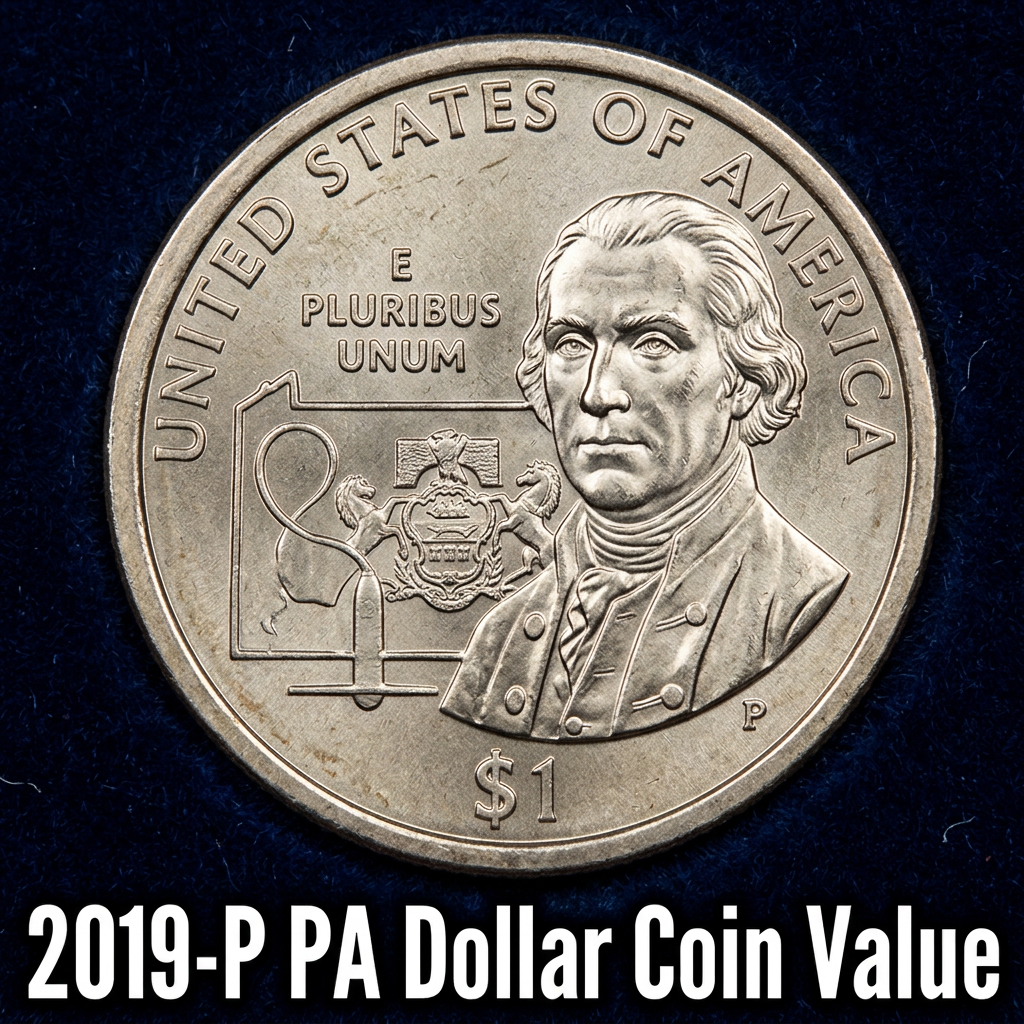
2019 P Mary Golda Ross Native American Dollar Value and Price Guide
The 2019-P PA Native American Dollar is worth anywhere from $1 in circulated condition to over $50 in high-grade mint state. Most of these golden dollars found in everyday change are worth exactly their face value, but certain specimens with high luster or specific edge lettering positions catch the eye of serious collectors.
Understanding the 2019-P Native American Dollar Design
If you just pulled a shiny gold coin out of your pocket or a vending machine, you likely have the 2019 Native American Dollar. This specific year honors Mary Golda Ross, the first known Native American female engineer. The reverse side features a beautiful depiction of Ross writing calculations, with an Atlas rocket launching into space in the background, symbolizing her contributions to the U.S. space program.
If you aren’t sure if your coin is a rare gem or just a common spender, using a free coin identifier app can save you a lot of time. By simply taking a photo, you can confirm the mint mark and the design. The “P” mint mark, located on the edge of the coin, indicates it was struck at the Philadelphia Mint. Because these coins were not primarily issued for general circulation, many of the ones you find might be in relatively good condition.
The CoinKnow app is a great resource for identifying these modern dollars quickly. It helps you distinguish between the standard Native American series and the American Innovation series, which were also minted in 2019. Understanding the difference is key to knowing if you have found something special or a standard dollar coin.
How to Identify the Value of Your 2019-P Dollar
When determining the market price, condition is the most significant factor. Most 2019-P dollars found in loose change are considered “circulated.” Even though they look gold, they are actually made of a copper core clad in manganese brass. This metal mixture tarnishes easily, losing its “mint bloom” after passing through a few hands.
For those looking for specific market data, checking a 2019-P Native American Dollar price guide is the best way to see what collectors are currently paying. You will notice that “Position A” and “Position B” are often mentioned. This refers to the orientation of the edge lettering (the date and mint mark) when the coin is placed heads-up.
While most coins are worth $1 to $2, professional grading by services like PCGS or NGC can reveal “Top Pop” coins. If a coin is graded MS67 or higher, the value jumps significantly. Using the CoinKnow mobile tool allows you to compare your coin against high-resolution photos of these top-tier grades to see if yours is worth the cost of professional certification.
| Condition / Grade | Estimated Value (USD) |
|---|---|
| Circulated (Average Condition) | $1.00 – $1.25 |
| Uncirculated (MS60) | $2.50 – $4.00 |
| Choice Uncirculated (MS65) | $10.00 – $15.00 |
| Gem Uncirculated (MS67+) | $45.00+ |
Differentiating Between Native American and Innovation Dollars
In 2019, the U.S. Mint was busy producing two different types of golden dollars. This often confuses everyday Americans who stumble upon a coin they don’t recognize. Along with the Mary Golda Ross coin, the Mint also produced the American Innovation series, which features different designs for each state.
You can find more 2019 dollar coin value information by looking at the specific series your coin belongs to. The Native American series features Sacagawea on the obverse (heads), while the Innovation series features the Statue of Liberty. Both have the same golden appearance and edge lettering, which can make identification tricky for beginners.
If you find a coin that looks “matted” or has a mirror-like finish, you might have a special set strike rather than a standard “P” circulation strike. These are often sold in government packaging and carry a small premium over the coins meant for banks. Running your coin through CoinKnow can help you sort these different versions so you don’t accidentally spend a more valuable variant at the grocery store.
What Makes a 2019-P Dollar Rare or Valuable
True rarity in the 2019-P PA dollar comes from errors. While the U.S. Mint has high quality control, mistakes occasionally happen. “Mule” errors (where the wrong heads and tails dies are paired) or major “off-center” strikes are where the real money is. However, these are extremely rare and unlikely to be found in your pocket change.
For the average person, the value lies in the “Position” of the edge lettering. Position A means the edge lettering is upside-down when Sacagawea is facing up, while Position B means the lettering is right-side up. Collectors often try to get one of each for their albums. While one isn’t necessarily rarer than the other, having a pristine, scratch-free coin in either position is what drives the price higher.
Always handle your coins by the edges. The oils from your fingers can smudge the manganese finish of a 2019 dollar, instantly lowering its grade from “Uncirculated” to “About Uncirculated.” If you think you’ve found a high-grade specimen, place it in a cardboard flip or a plastic holder to preserve its value for years to come.
Q: Is the 2019-P Native American Dollar made of real gold?
A: No, the coin is composed of a copper core with an outer layer of manganese brass, which gives it that distinctive golden color. There is no actual gold content in the coin.
Q: Where can I find the mint mark on my 2019 dollar?
A: Unlike older coins where the mint mark is on the face, the “P” (Philadelphia) or “D” (Denver) mint mark on a 2019 dollar is engraved on the edge of the coin along with the date and the motto “E Pluribus Unum.”
Q: Should I spend my 2019-P dollar or keep it?
A: If the coin is heavily scratched or dull, it is likely only worth its $1 face value and is safe to spend. However, if it is exceptionally shiny and looks brand new, you may want to keep it or have it checked for a high grade.
